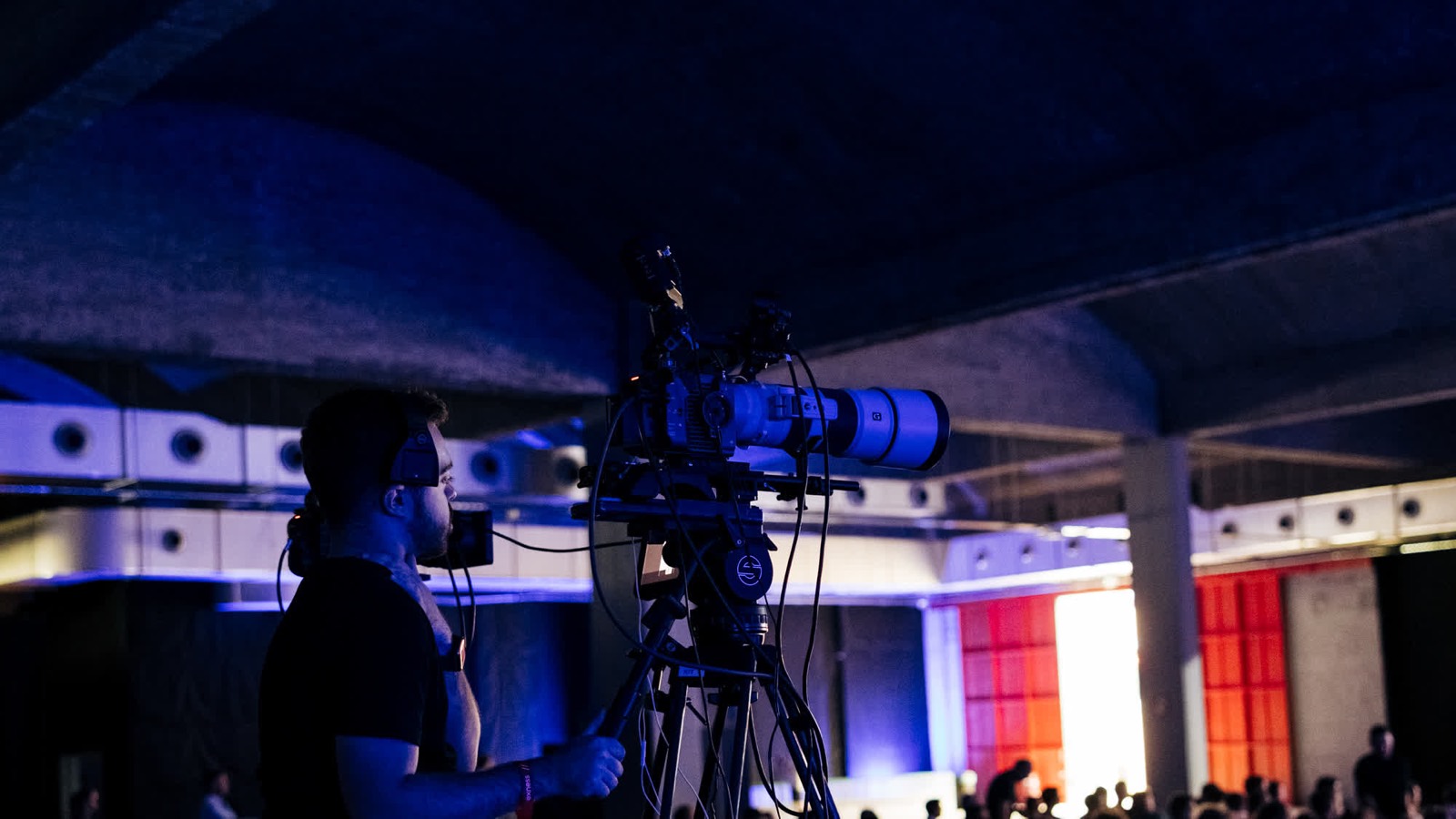
Live streaming an event looks simple from the outside. Point a camera at the stage, connect it to the internet, press go. Backlight has delivered live streaming and event broadcasting across Cyprus and internationally for years, and the most expensive misunderstanding we meet is this: the camera is the easy part.
What decides whether a streamed event works is almost never the camera. It is everything arranged around it, and almost all of it is decided before the day.
The person watching from somewhere else is your real audience
When you stream an event, you are running two events at once. There is the room, with its energy and its applause and its coffee breaks. And there is the person watching on a laptop three time zones away, alone, with one finger resting on the tab that closes it.
The room forgives a lot. The remote viewer forgives almost nothing. Muddy audio, a camera locked on one wide shot for forty minutes, a slide they cannot read, a speaker who is clearly addressing the room and not them: any one of these and they are gone, and they do not come back after the break.
So the first question we ask about any stream is not "how many cameras." It is "who is watching remotely, and what do they need in order to stay." Everything else follows from that answer.
Broadcast is a set of decisions, not a set of boxes
The gap between a webcam on a tripod and a broadcast is not the price of the equipment. It is the decisions being made, live, while it happens.
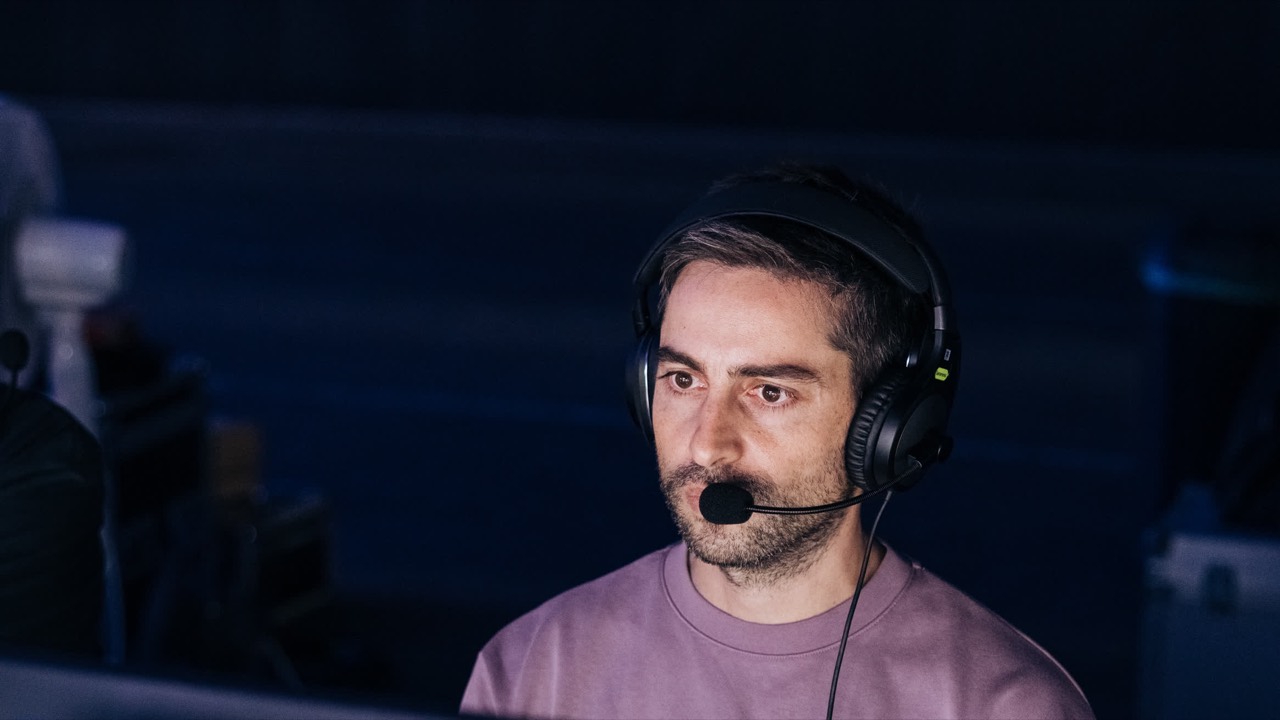
Someone is directing. A broadcast is cut in real time: a director choosing the wide, the speaker, the slide, the reaction, so the remote viewer is always looking at the thing that matters right now. An unmanned camera shows one angle and asks the viewer to do the editing in their head. Most of them decline.
The audio is built for headphones, not a hall. The room hears through a PA system. The remote viewer hears through a phone speaker or a cheap pair of earbuds. Those are different jobs, and a feed mixed for one is wrong for the other. We take a clean, dedicated feed and mix it for the person listening alone.
The graphics carry the context the room gets for free. In the room, you can see who is speaking and read the slides behind them. Online, you cannot, unless someone puts the name on screen and pipes the slides in at a resolution that is actually legible. That work is invisible when it is done and glaring when it is not.
The stream is designed to survive. A live moment has no rewind, so nothing critical can have a single point of failure. That is a subject in its own right, and we have written separately about the redundancy thinking behind streams that cannot drop. For now: assume the venue internet will fail at the worst possible second, and build so that the audience never learns it did.
Hybrid is the normal case now, and it is the hard one
Most events we stream are hybrid: a room of people and an audience online, often with speakers joining from elsewhere. That sounds like one event with a camera added. It is really two audiences who need to feel like they are in the same moment, which is a genuinely hard production problem.
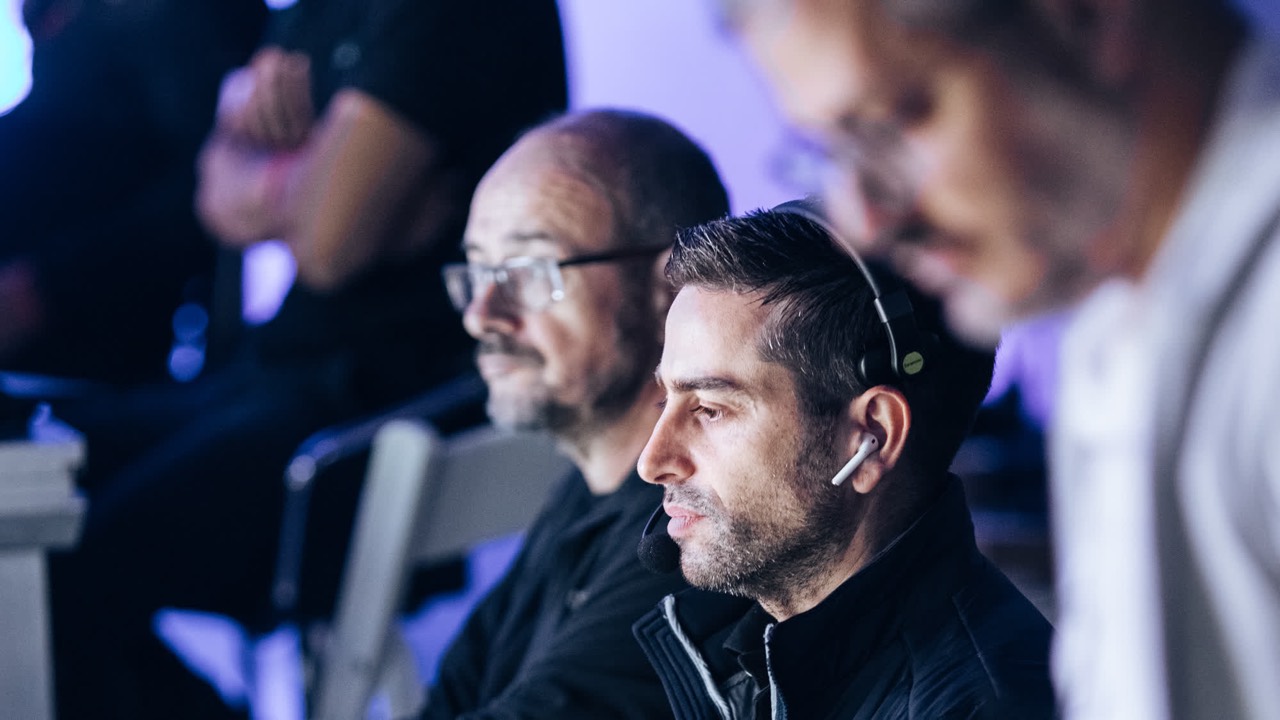
Exness Week ran live between Cyprus and Kuala Lumpur as a single show, and finished with zero dropouts. Our collaboration with Exness is ongoing: we continue to livestream their hackathon events, where remote participants and judges have to follow the action in real time as if they were standing in the room. For PwC Cyprus's annual conference, we ran the live production with remote speakers feeding into the room and the stream at once. Hybrid works when the room and the remote audience are treated as equals, planned together, and kept in sync on purpose.
The reach is the point
Done well, a stream is not a compromise for the people who could not attend. It is how the event reaches further than the room ever could. We delivered the Quantum Nicosia Marathon live to national television on RIK1. We ran live AV and broadcast for CCRI's building opening, an event that happened exactly once. And a single production can go out to YouTube, LinkedIn and a private client feed simultaneously, each destination getting its own clean stream, so your reach is limited by your audience and not by your setup.
What to decide before you commission a stream
The questions that vet a provider are worth asking, and we have listed them elsewhere. But some of the most important decisions are yours, not the crew's, and they are best made early:
Who is the remote audience, really, and what do you want them to do? Watch live, watch later, ask questions, buy something. The answer shapes the whole production.
Get the slides and the run of show to the crew in advance. The single cheapest way to make a stream look professional is to let the people building it see what is coming.
Rehearse anyone joining remotely. A remote speaker who has never tested their setup is the most common on-air surprise. Ten minutes the day before removes it.
Decide what "success" looks like before the day, not after. Peak viewers, watch time, questions asked, a clean recording for the edit. Name it, and the production can be built to deliver it.
A live moment reaches everyone you cannot fit in the room, but only if the production treats those people as the audience they are. That work happens long before anyone presses "go live."
Backlight Media provides live streaming and event broadcasting in Cyprus and internationally, from hybrid conferences to live sport, including an ongoing broadcast partnership with Exness and live production for PwC Cyprus. If you have an event that has to reach further than the room, tell us the problem.